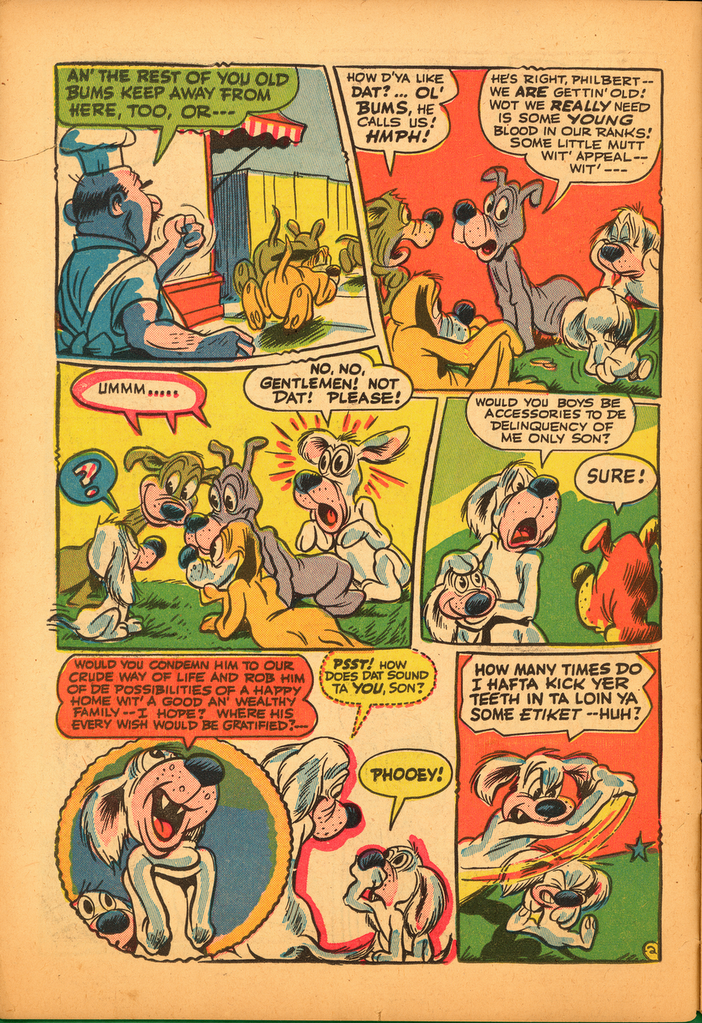
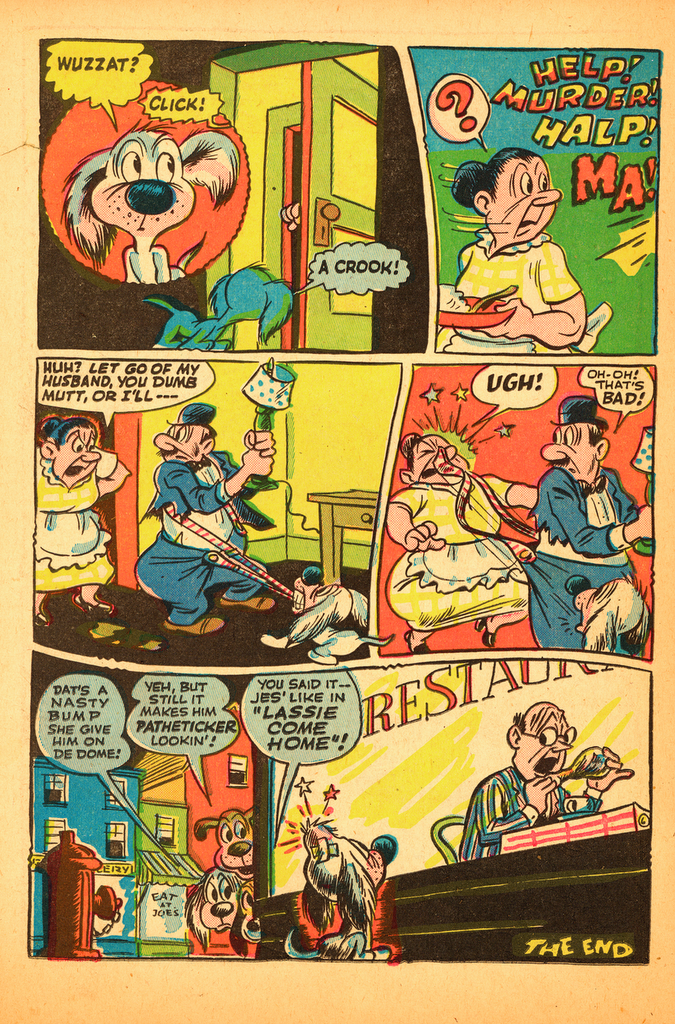
I loved many kinds of comics when I was a kid. Not only cartoony comics, but superhero comics too. When I was real young I loved DC comics- Superman and Batman.
 These were the bland superheroes! I was a bland little boy until I discovered the joys of weirdness.
  I thought the "Marvel style" was too bizarre looking and harsh
  until I was about 10 and my friend Tommy King forced me to read a bunch of Kirby comics and then I was hooked. (He also made me tell his family I had accepted Jesus in my heart!) I soon discovered the extreme weirdness and the quirky styles of all the Marvel artists. My favorites were Kirby, Ditko and Gene Colan.
The Marvel style differed from the other "realistic" comics in that they were really dynamic.
 The artists drew difficult angles and wild powerful poses.
 Compare these Colan covers to my favorite DC comic, World's Finest.
 Pretty stiff and awkward! (like today's cartoons). They are funny as Hell though.
(Later, DC started imitating Marvel and introduced more dynamic artists like Neal Adams into their stable. The modernized more serious DC comics to me aren't as fun as the more naive corny ones.)

 The Marvel comics were much more alive and full of crazy action.
 Each Marvel artist had a really unique style-and Stan Lee promoted that in the comics! Most comics didn't even credit the artists in the 60s. Stan boldly bragged about them. Stan Lee did lots of other brilliant things too and I'll talk about them in a later post.
 Colan has a really unique style and it'd take a better man than me to define it. But I could see it all the way across the drugstore.
I was completely jealous (and still am) of the best "realistic artists" because they could draw really difficult things that are outside the realm of most cartoonists. They had to be able to draw not only realistic (sort of) humans, they had to be able to draw them from crazy angles and had to be able to draw every imaginable type of background.
Animated cartoon artists tend to be specialized. Some draw characters, some draw backgrounds, someone else paints them. The odd guy like Jim Smith can do it all, but he's an exception. Bob Camp is another.
In the mid 60s at the height of "The Marvel Age" and popularity, Stan grew so confident in his success, that he started a comic title that made fun of not only the other superhero comics, but his own. (it was largely inspired by Harvey Kurtzman's Mad Comics of the 50s)
I loved "Not Brand Echh"
 It was a strange invention. It was a comic that was drawn by the same Marvel "realistic artists" in a cartoony style. A lot of "realistic" artists can't really crossover, but some of them can. Gene Colan drew some great funny superheroes.
 They aren't as cartoony as a cartoon specialist, but they are much more alive than most straight comics. The poses are much more natural - specific and defined.
 Colan is not afraid of any camera angle. You see angles like this in some modern animated features and they look awkward as hell and unnatural. The animators aren't used to drawing this realistic way -even when they are forced to by the executives.
 Look how solid the characters are from every angle. Impressive!
 To be continued...
As you can see, I'm not opposed to more realistic cartoon art at all. If it could look that good and natural in animation I'd be all for it.
 It hardly ever has and there are numerous practical reasons for that. The producers of realistic style animation are anything but practical though so it never works.
Here's a preview of the great Jack Kirby's cartoony style. Coming Soon!